


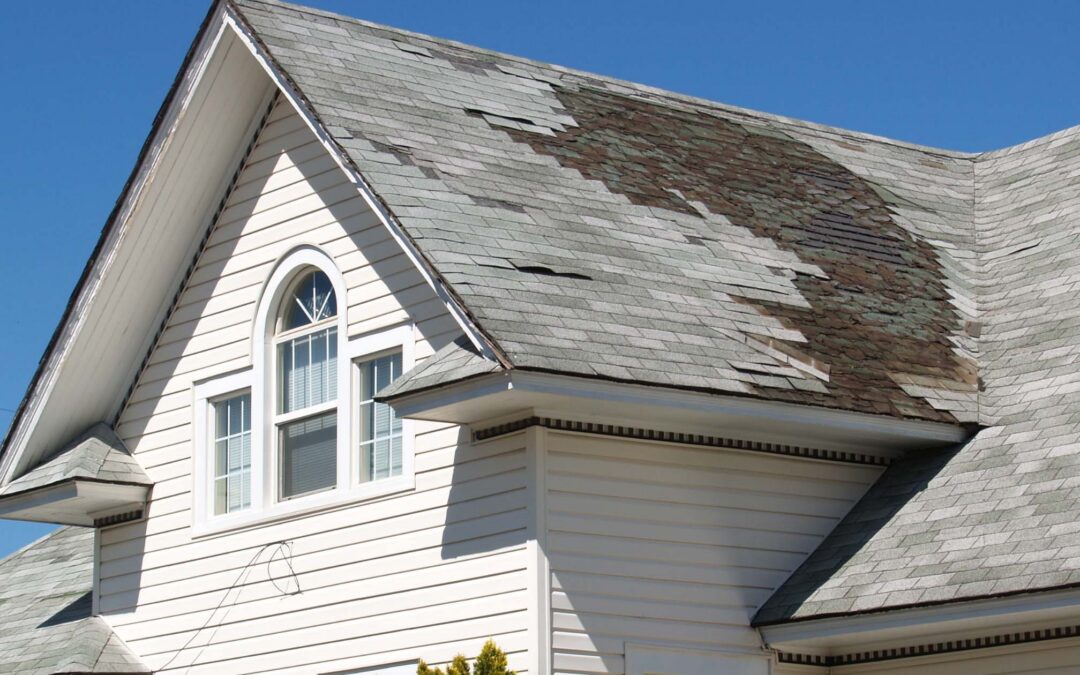
Last week’s thunderstorms brought significant hail through our area, and some local homes have sustained legitimate damage. If you believe your roof was affected, it is wise to have it inspected.
It is equally important to be careful about who performs that inspection and what you agree to afterward.
Large storms often attract contractors who move quickly from neighborhood to neighborhood offering “free” roof inspections. Many contractors are honest and reputable. Others rely on fear, urgency, or incomplete information to persuade homeowners to sign contracts and submit insurance claims before they have had time to understand the situation.
A Photograph Is Not Proof Unless It Can Be Verified
One concern we want homeowners to understand is that photographs presented during an inspection may not always clearly establish that the damage shown is from their roof.
Before relying on photographs, ask the contractor to:
-
- Identify the exact location of each photograph on your home.
- Include recognizable reference points or wider images that establish where the close-up was taken.
- Explain why the condition shown is consistent with recent hail damage rather than age, wear, or another cause.
- Provide a written inspection report that you can review without pressure.
A reputable contractor should be willing to explain the findings clearly and give you time to make an informed decision.
Warning Signs to Watch For
Be cautious if a contractor:
-
- Arrives unsolicited immediately after a storm.
- Says you must sign a contract that day.
- Guarantees that your insurance company will replace the roof.
- Encourages you to file a claim before the damage has been properly evaluated.
- Will not clearly explain the contract, payment terms, or cancellation provisions.
- Offers to handle everything while discouraging you from speaking with your insurance agency.
- Cannot demonstrate an established local reputation, appropriate licensing, or insurance.
A free inspection should not obligate you to hire the contractor or allow that contractor to control your insurance claim.
What to Do If You Suspect Hail Damage
Start by inspecting your property safely from the ground. Look for damaged gutters, siding, screens, outdoor equipment, or visible roofing debris. Photograph anything you notice and record the date of the storm.
If water is entering the home, take reasonable temporary measures to prevent additional damage. Keep receipts and photographs of any emergency work. Do not climb onto the roof yourself, and avoid permanent repairs until the damage has been properly documented.
Then:
- Contact a reputable, established roofer for an inspection.
- Ask for written findings and verifiable photographs.
- Review any proposed contract carefully before signing.
- Call our agency before submitting a claim.
We can help you understand the claims process, discuss the information you have gathered, and explain what to expect. We cannot determine whether a roof needs replacement—that is a matter for qualified contractors and the insurance adjuster—but we can help you avoid making a rushed decision based on pressure or uncertainty.
Legitimate Damage Deserves a Careful Response
Insurance is there for covered losses, and homeowners with legitimate storm damage should not hesitate to seek help. At the same time, filing a claim and signing a roofing contract are consequential decisions. Neither should be driven by a stranger at the door insisting that you must act immediately.
Choose the roofer carefully. Verify the evidence. Understand the contract. Call us before beginning the claim process.
After a storm, urgency may be unavoidable. Pressure is not.
